Why certain wedding traditions endure through generations
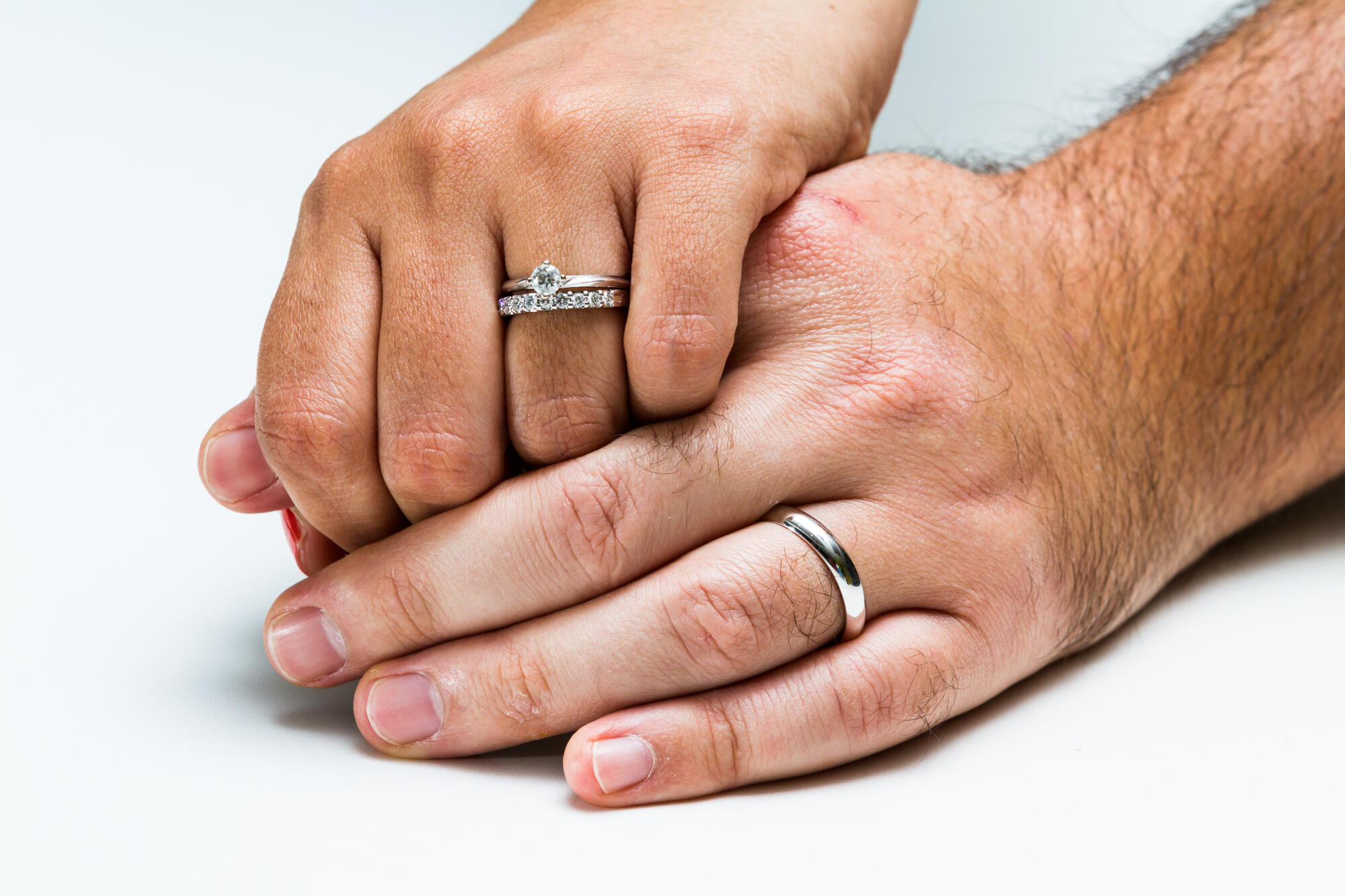
Certain wedding traditions endure through generations because of the emotional power of ritual in life’s biggest moments, and family heritage lives on through wedding customs. Symbolic gestures also often outlast changing trends, and shared traditions create lasting memories for everyone.
According to the United States Census Bureau, in 2025, 47% of American households were married couples. There may be a decrease in marriages (down from 66% in 1975), but that doesn’t make them any less special.
In fact, wedding traditions are still very important today, and many long-standing wedding customs are still done in modern unions. Here are the reasons why.
The Emotional Power of Ritual in Life’s Biggest Moments
Historical wedding practices have endured because they provide structure and meaning during one of life’s most emotional milestones. Rituals such as exchanging vows, walking down the aisle, or sharing a first dance help transform a personal commitment into a memorable and shared experience. For example, someone may look for “bridal hairstylist near me” to have the bride and bridesmaids pampered.
These customs also offer a sense of continuity, as they connect couples to countless others who have celebrated marriage before them. Even when weddings are highly personalized, familiar traditions provide comforting touchpoints that guests immediately recognize.
Does Family Heritage Live on Through Wedding Customs?
Many cultural wedding rituals survive because they preserve family history and cultural identity. They can be things like:
- Wearing a cherished heirloom
- Incorporating traditional attire
- Preparing family recipes
- Following long-standing ceremonial practices
These customs all create tangible links between generations. Grandparents, parents, and children can all recognize pieces of their own family stories within the celebrations.
For multicultural couples, blending traditions from different backgrounds has become more common. This allows both families to feel represented.
Do Symbolic Gestures Often Outlast Changing Trends?
Fashion, venues, and decor styles may change every few years, but symbolic wedding gestures tend to remain remarkably resilient. Exchanging rings during a wedding ceremony symbolizes an enduring commitment, while cutting the cake represents sharing a future together.
These traditions continue because their underlying messages remain universally relevant. Couples may reinterpret or modernize these rituals, but the symbolism behind them continues to resonate with guests of all ages. This ensures that familiar customs remain an important part of contemporary weddings.
Shared Traditions Create Lasting Memories for Everyone
Everlasting marriage traditions make it through the years because they invite everyone to participate in the celebration. Familiar moments like speeches, the first dance, parent dances, and ceremonial toasts create shared experiences that guests anticipate and remember long after the day ends.
These traditions help different generations connect, giving older relatives a sense of nostalgia while introducing younger attendees to customs they may one day incorporate into their own weddings. Because these rituals are widely understood, they also make celebrations feel inclusive and emotionally engaging.
Wedding Traditions Endure the Tests of Time
As you can see, wedding traditions have made it through the centuries for numerous reasons. The bottom line is that there are emotional, personal, and cultural ties, and they help multiple generations feel closer to one another during ceremonies.
Keep reading our website if you’d like to find more interesting articles.





