The most iconic motorcycles in hip-hop videos
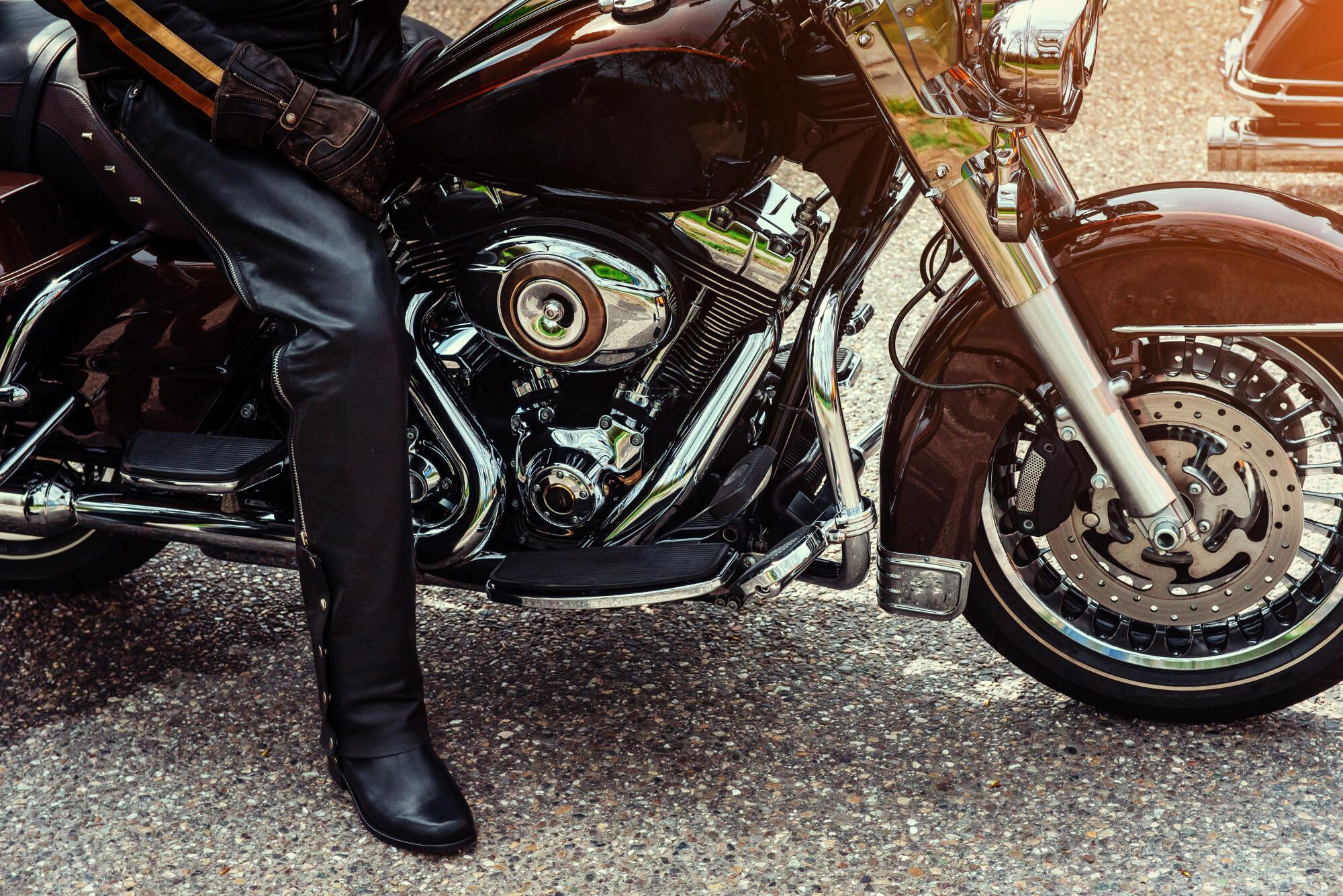
The most iconic motorcycles in hip-hop videos include DMX’s stunt-riding fleet in “Ruff Ryders’ Anthem,” the Suzuki GSX-R1100 from Puff Daddy’s “I’ll Be Missing You,” and the dirt bikes central to Meek Mill’s “Ima Boss.” These bikes turned raw street culture into some of the genre’s most memorable visual moments.
On-road motorcycle registrations more than doubled in the U.S. between 2002 and 2023, climbing from 4.3 million to 8.8 million, according to ConsumerAffairs. A wheelie down a city block can say more than sixteen bars ever could, and rap videos have leaned on that energy since the late 1990s, turning ordinary streets into spectacle.
How Did Dirt Bikes Become a Symbol of Street Credibility?
DMX actually turned dirt bikes into a symbol of loyalty and street credibility in his video for “Ruff Ryders’ Anthem.” The video shows a large group riding together through city streets, and it helped set the tone for hip-hop videos that came after it.
Meek Mill later brought that same energy to a slightly different setting in “Ima Boss.” His video pulls from the real dirt bike scene in Philadelphia, showing riders who often pop wheelies down the block instead of sticking to open road.
Sport Bikes as Dramatic Visual Statements
Sport bikes carry a different kind of energy than dirt bikes, and directors often use them to raise the emotional stakes of a scene.
Puff Daddy’s tribute video for The Notorious B.I.G. uses a sport bike crash as a rather heavy metaphor for sudden loss. Redman’s video for “Ride” takes a lighter approach, and it leans almost entirely on stunt riding pulled from the world of Biker Boyz.
Both scenes rank among the more famous motorcycle moments in hip-hop, yet they use bikes for different reasons entirely.
Customized Bikes and the Flashy Lifestyle Aesthetic
Lil Wayne leaned into flash and fast living for “Stuntin’ Like My Daddy,” and his lyrics helped connect the song to motorcycle culture in general. Migos took a similar approach in “T-Shirt,” pairing motorcycles and snowmobiles with fur coats and snow to build an outlaw-luxury feel.
These flashy machines became some of the most popular motorcycles tied to rap culture in the 2000s, largely because of how often they showed up on screen.
Why Do Motorcycles Still Define Hip-Hop’s Visual Attitude?
21 Savage brought motorcycle imagery into trap music with “Motorcycle,” and the video leans on attitude and speed rather than group stunts. Pop Smoke’s “Dior” music video uses motorcycles to build atmosphere, giving the song a sense of speed and controlled danger across New York City.
Riders in New York face real risk, and NYC motorcycle crash lawyers often point to city traffic and tight streets as common factors in crashes. Even with those risks, the best motorcycle scenes in hip-hop keep drawing viewers back.
The Legacy of Iconic Motorcycles in Hip-Hop Culture
From DMX’s stunt-heavy anthem to Pop Smoke’s drill-era swagger, iconic motorcycles have shaped how hip-hop videos communicate speed, status, and street identity. Each bike on this list added a distinct visual signature, whether through choreographed stunts, dramatic symbolism, or pure attitude. These moments continue to influence how artists frame power and rebellion on screen today.
Want to see how motorcycle culture keeps shaping music, fashion, and film? Explore more stories on riding culture and its influence across entertainment on our site.





